
Our action in Nepal
CPCS in Nepal
THE CORE OF OUR ACTION
Since 2002, CPCS has been working in Nepal to protect children and young people in street situations or at risk. Poverty, family violence, natural disasters, migration and the search for a better life in the city can expose them to many risks, including exploitation, addiction, violence and exclusion. In response, CPCS takes a comprehensive approach built around three pillars: prevention, risk reduction and social rehabilitation.
Prevention
At this first level of intervention, our action aims to prevent and discourage children from entering street situations or situations at risk. This involves prevention and awareness-raising activities aimed at families, communities, authorities and children themselves, focusing on the realities of life on the street: its causes, dangers and consequences. The objective is to act upstream to protect children.
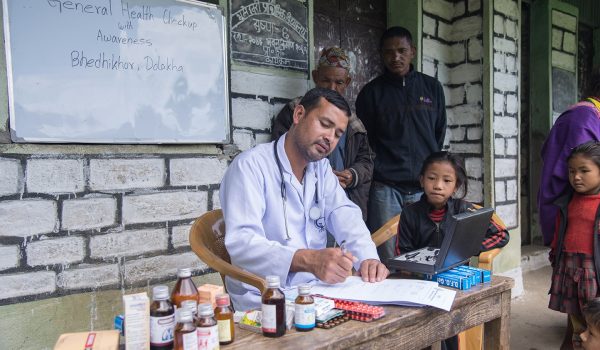
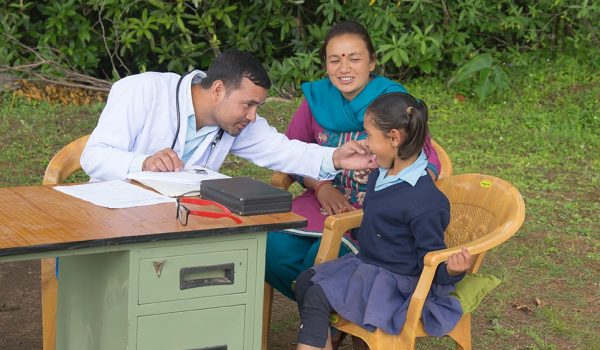
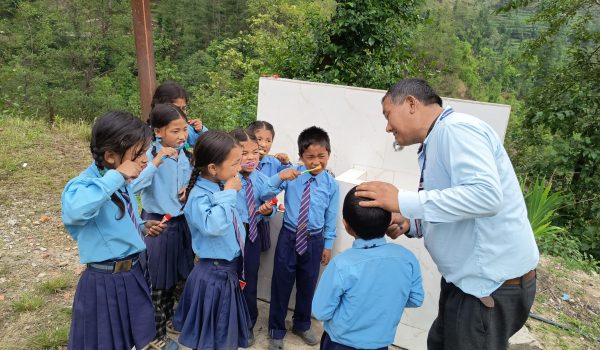
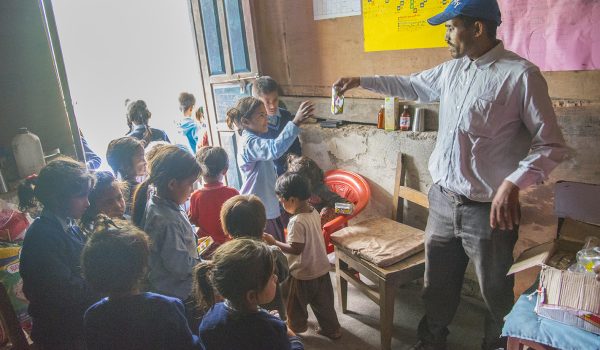
In collaboration with several public schools, BHCA nurses provide daily medical care to pupils. Families can also consult them when needed. Teachers play a key role by reporting any concerning situation, including physical, sexual or psychological violence. Particular attention is paid to girls who do not have access to personal hygiene care.
A small school pharmacy, managed by the team, helps meet common medical needs and provides, in particular, sanitary products. Every month, between 12,000 and 15,000 children benefit from this programme.
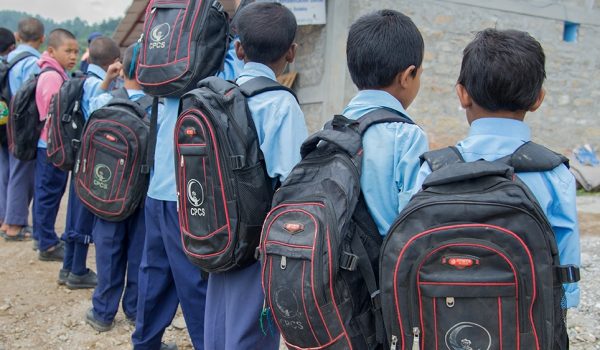
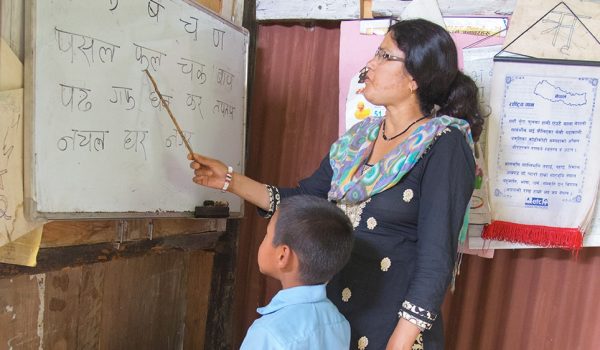
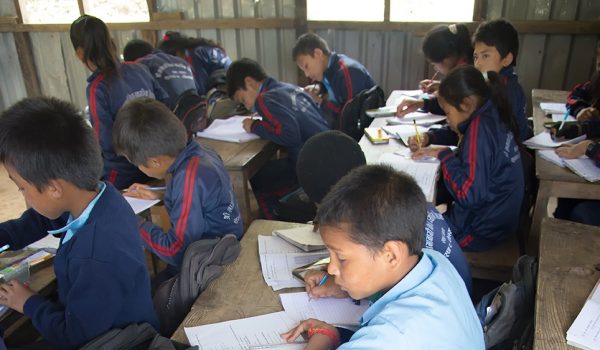
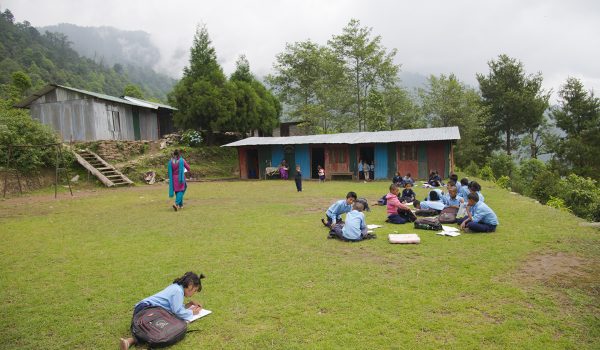
CPCS Alliance upholds every child’s fundamental right to quality education. Appropriate education opens the way to decent employment and future independence. Through the BHCA programme and other initiatives, the Alliance supports the education of approximately 15,000 children.
Every day in Nepal, children leave their villages and families, drawn by the illusion of a better life in the city. But the reality they discover is far harsher and more dangerous than they had imagined. Left to fend for themselves, without being prepared for the risks and harmful influences they may encounter, they become easy targets for adults who exploit their vulnerability, drawing them into marginalisation that can be difficult to escape.
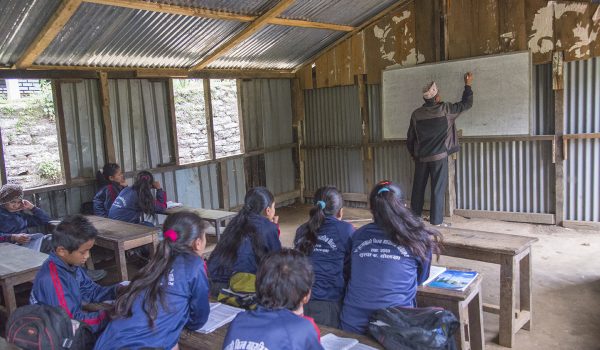
In response to this reality, CPCS Alliance runs awareness campaigns on the dangers of street life in schools, targeting both children and parents.
CPCS Alliance works with its partners, Consortium for Street Children and Dynamo International, to raise awareness of the causes that lead children to street situations and promote their rights. The objective is twofold: to raise children’s awareness of their rights and encourage their respect and implementation by the international community as a whole.
Risk reduction
This level of intervention takes a short-term approach aimed at immediately reducing the dangers associated with life on the street. The objective is to provide support and protection to children already facing this reality, while safeguarding their safety and well-being as much as possible.
Through our field activities, we work in more than 20 areas across 8 districts in Nepal, with a stronger presence in and around Morang, Sindhuli, Dolakha, Kathmandu and Lalitpur. Every month, between 4,000 and 5,000 beneficiaries benefit from our services and support.
Every day, CPCS meets between 20 and 50 children during family visits. The objective is to check on their health and access to quality education, while advising families on the essential learning they should provide. These meetings also provide an opportunity to raise awareness of the dangers of street life. CPCS also regularly engages with young people already in street situations, making every effort to support and educate them.
Our deepest wish is that, in the future, every child in the world will be respected, protected and able to enjoy a fulfilling and normal childhood. At our level, we ensure that the children we support are safe. When they are in danger, we provide legal support and take legal action to defend them.
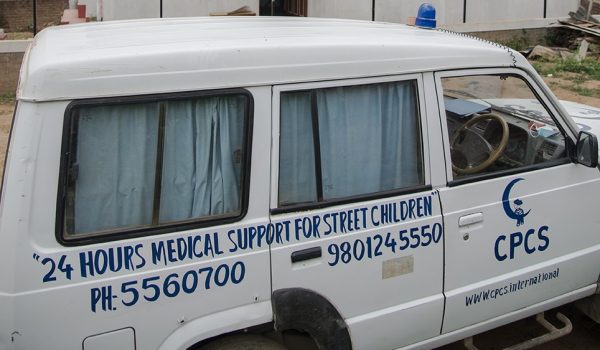
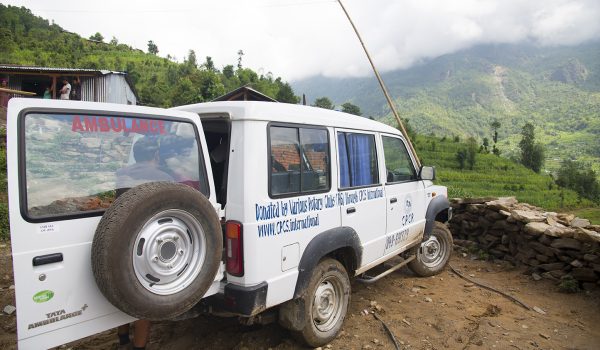
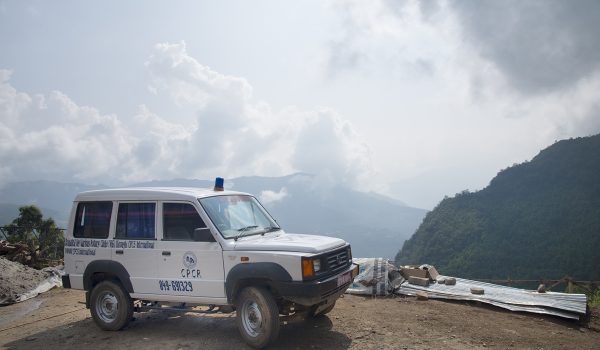
In Nepal, we have set up an emergency hotline in Kathmandu, available 24 hours a day, 7 days a week. Its purpose is to protect children from the dangers of street life by receiving alerts about situations at risk and responding promptly.
Social rehabilitation
This level of intervention aims to support the progressive reintegration of children into society. It is about providing them with the resources, opportunities and support they need to rebuild their lives beyond the street, with a focus on education, vocational training and their overall well-being.
After experiencing life on the street, children often find themselves lost, misunderstood by society and deeply affected by trauma. Our objective is to welcome them into a caring environment where they can rebuild their self-confidence. There, they learn to socialise with other children of their age as well as with adults. Our centres welcome between 30 and 50 children every day.
After experiencing life on the street, many children have faced misunderstanding and marginalisation. Our mission is to help them rebuild their self-confidence in a safe and supportive environment.
First, we take the time to listen to and support them, helping them better understand the world around them. In Nepal, in Dolakha, our teams provide psychological support to between 200 and 300 children every month.
We also teach them about their fundamental rights, as well as respect for the rights of others, in order to support their social integration.
We ensure that the children welcomed in our centres receive appropriate healthcare. Regular medical check-ups are carried out, providing care to approximately 50 children every month.
As hygiene is essential to children’s well-being, we also regularly distribute hygiene products and clothing to between 1,200 and 1,600 children.
Every day, we provide socialisation and literacy classes to 1,800 children. A large part of their social integration also takes place naturally through opportunities to play and interact with one another. To support this integration, we organise a wide range of outdoor activities and games.
The ultimate goal of our action is to reunite children with their families. To achieve this, we organise family visits and facilitate family reunification whenever possible. On average, between 10 and 15 children return to their family homes every month.